Our Conversation Methodology Explained
We build every conversation scenario using genuine situations Malaysians experience each day, whether at work, in the market, or when meeting someone new. Each dialogue is crafted to encourage authentic speech, support your understanding of conversational norms, and expose you to appropriately used phrases. We pay close attention to context, cultural etiquette, and local communication patterns so you become comfortable speaking in real situations—not just memorizing lines.

Meet the Team Behind the Practice
Our diverse group brings a wide range of linguistic and cultural insights.

Nadira Hassan
Content Lead
Focus
Dialogue creation
Key Skills
Nadira is passionate about designing contexts for easy, comfortable speech and adapting dialogues from Malaysian life.
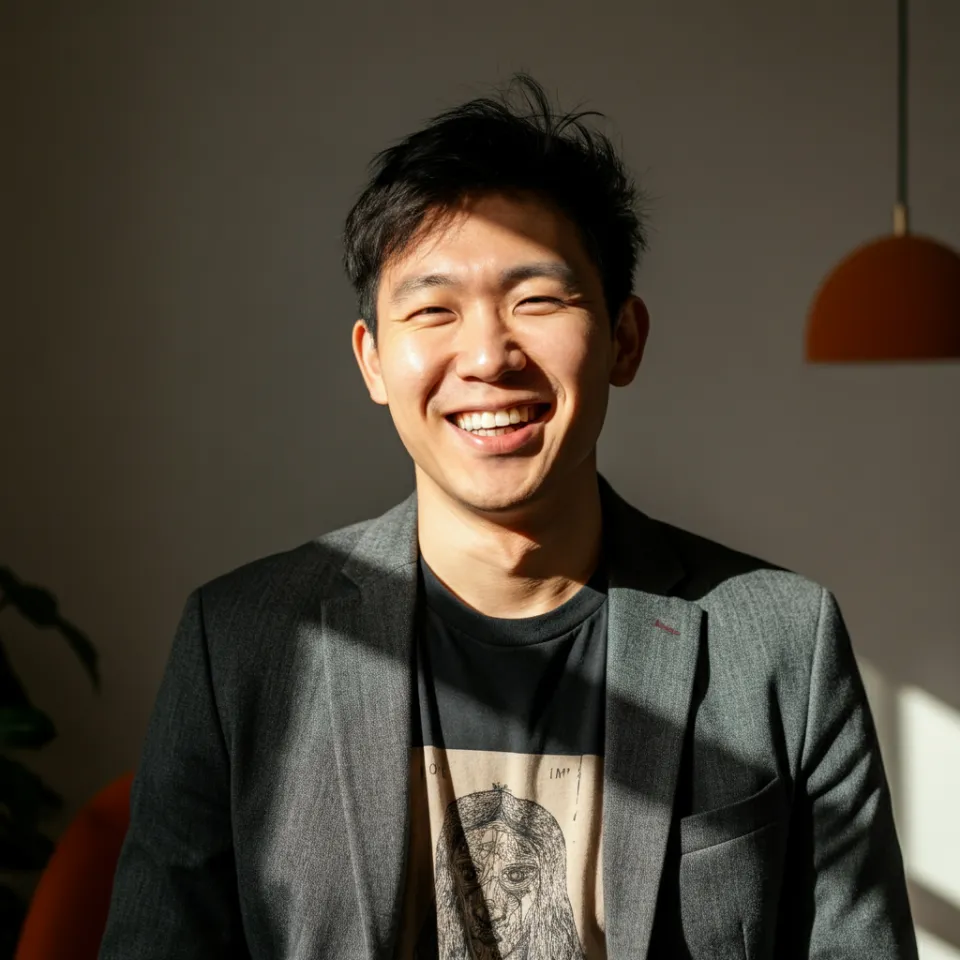
Kevin Tan
Dialogue Writer
Focus
Phrase lists
Key Skills
Kevin uses his background in daily conversation and practice routines to ensure that content stays natural and relevant.
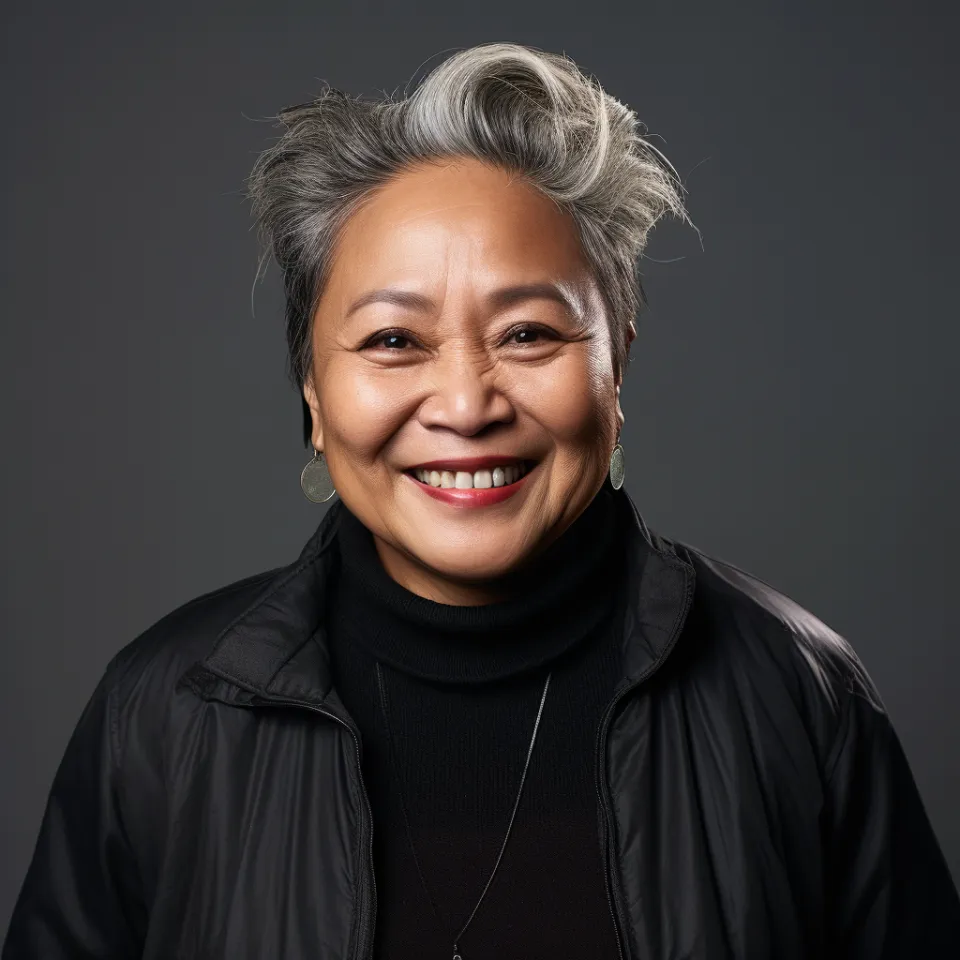
Meera Kaur
Cultural Advisor
Focus
Cultural nuance
Key Skills
Meera keeps our platform informed on etiquette and norms that help users understand local expectations in conversation.

Daniel Goh
UX Designer
Focus
User experience
Key Skills
Daniel ensures smooth interaction and easy navigation so users feel comfortable practicing on any device.
Step-by-Step Conversation Training
Our process is structured for easy, everyday use, making practical speech and etiquette accessible for everyone who wants smoother conversations.
Select Your Scenario
Choose a conversation setting that suits your current needs or interests.
Browse an array of real-life situations relevant to Malaysia, including workplace discussion, shopping, or greeting new people. Each scenario is designed to reflect genuine language as used by locals. You’re free to repeat, revisit, or skip situations at your pace, ensuring practice fits comfortably into your schedule. Detailed scene descriptions help you match context and vocabulary with real expectations, making every attempt at speech feel meaningful.
Explore Useful Phrases
Access concise, commonly used phrases to fit the situation.
Once you’ve chosen your scenario, you are guided through the most suitable phrases for that context. These phrases are crafted to blend seamlessly into natural dialogue, whether you’re exchanging pleasantries or requesting information. You’ll find reminders about tone, polite forms of address, and hints on which gestures or phrases may fit Malaysian etiquette. This encourages you to use language that not only sounds correct but feels comfortable in day-to-day interaction.
Practice in Real Dialogue
Interact with the dialogue sample at your own pace.
Engage by reading aloud, shadowing voice prompts, or replaying the scenario as needed. Our supportive, self-paced format means there’s no test to pass or score to earn—only gradual growth in ease and fluency. Users report feeling less anxious during real conversation after this step, as practice here mimics what they will encounter day-to-day.
Cultural Tips and Reminders
Gain insight into norms that shape local conversation.
Every scenario comes with a set of relevant etiquette and cultural tips. You’ll learn when to use honorifics, how to greet in a way that’s friendly but appropriate, and the small courtesies that can build comfort with others in Malaysia. These reminders ensure you go beyond words—helping conversations become enjoyable, natural, and respectful.
How We Compare to Other Platforms
Make informed choices about your conversation practice tools